In the News
LINK nky: How a Campbell County construction class is helping students master math
Featured in LINK nky — reporting and photos by Lia Salvatierra · Read the original on LINK nky
LINK nky education reporter Lia Salvatierra spent time in the construction classroom at Campbell County Middle School, where TradesNKY’s BUILD curriculum first took root, to see how hands-on projects are helping students sharpen their math skills.
The story traces TradesNKY’s beginnings to an after-school construction club in Campbell County, launched by founders Phil Griffin of AnyWeather Companies and Brandon and Sara Bray of Bray Construction Services in response to the skilled-labor shortages they saw in their own businesses. That club led to a nine-week pilot curriculum in 2023, which has since grown into a full three-year middle school program introducing students to carpentry, electrical, HVAC, masonry and plumbing.
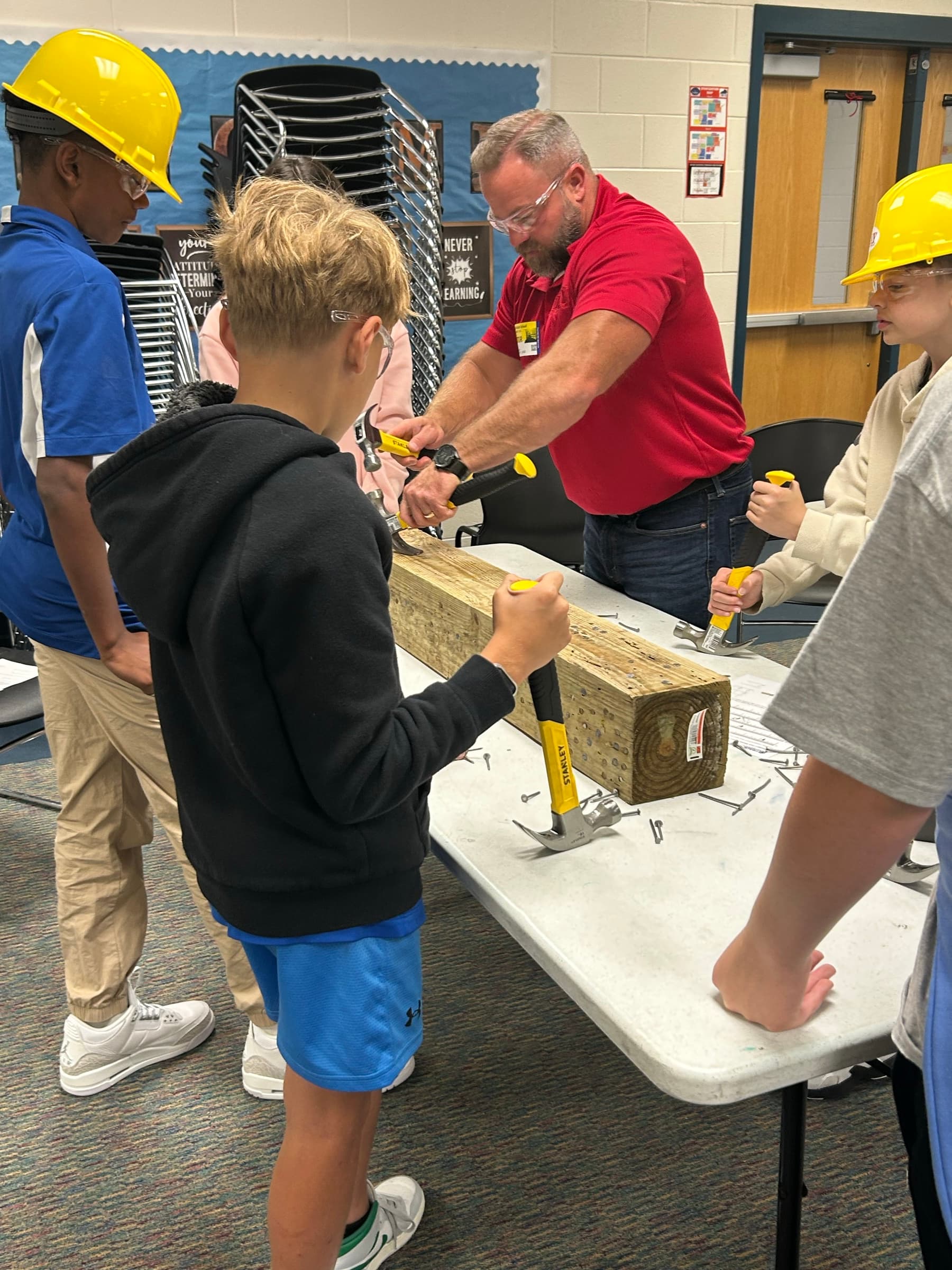
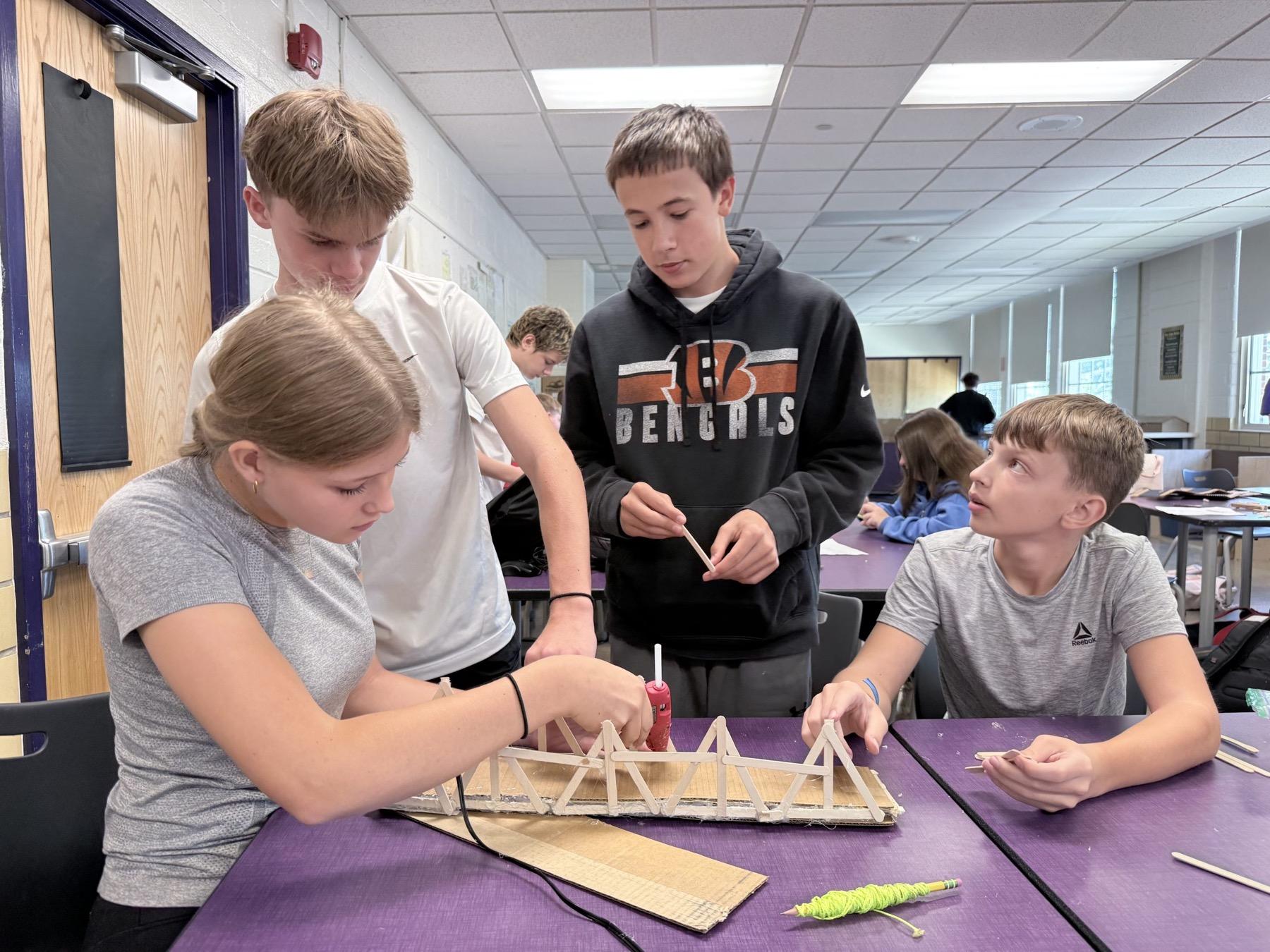
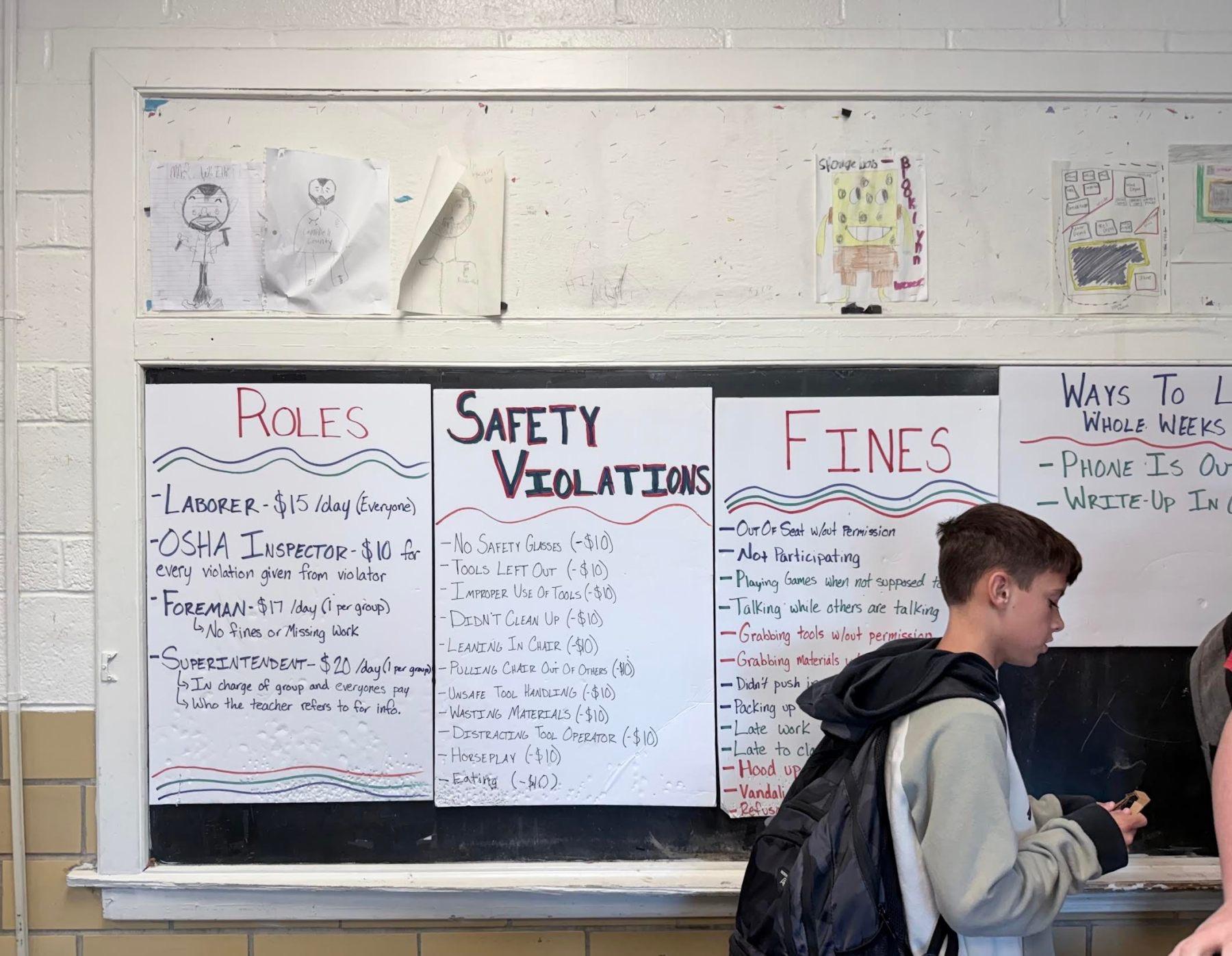
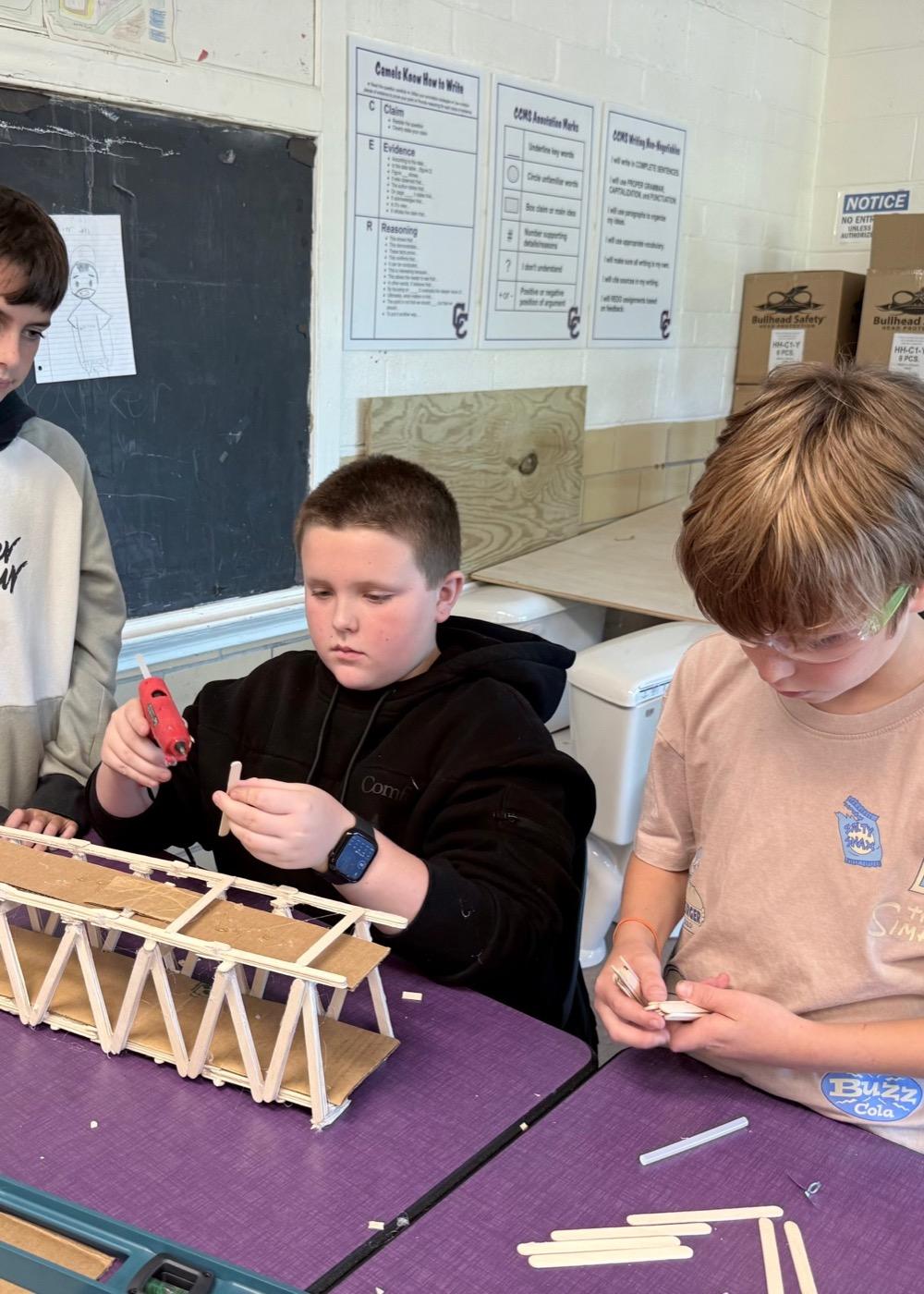
In teacher Noah Wirth’s classroom, students build model houses, design bridges and, later in the year, frame a wall complete with insulation, electrical and plumbing. Wirth runs the room like a job site, with students rotating through roles such as foreman, superintendent and safety inspector.
Along the way, students pick up more math than many of them expect — reading fractions on a tape measure, taking precise measurements and even applying the Pythagorean theorem before they meet it in math class. As Wirth tells his students, some days are “math class” in disguise.
The article highlights early results from Campbell County Schools:
- Nearly 78% of last spring’s eighth-grade construction students met or exceeded their anticipated growth on state testing — the first class to complete all three years of the TradesNKY curriculum.
- At Campbell County High School, the share of ninth-grade carpentry students passing the beginning-of-year pre-assessment rose to 97%, up from a historical average of about 40%.
The curriculum is now taught in eight Northern Kentucky middle schools, and TradesNKY is building industry partnerships to extend career pathways into manufacturing, transportation and logistics, utilities and energy, and public safety.